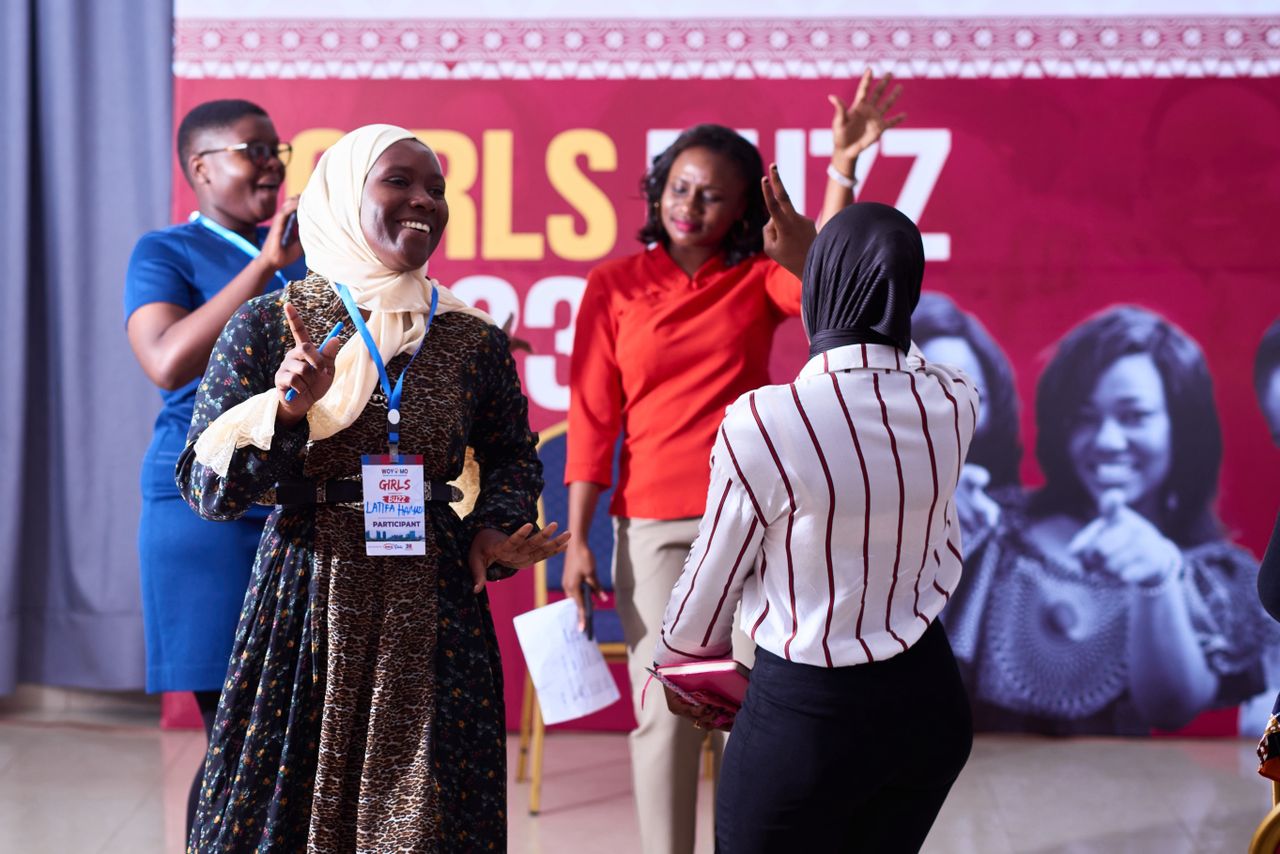
In Tanzania, adolescent girls and young women face persistent barriers that silence their voices and limit their potential. Many grow up in environments where harmful gender norms, poverty, and systemic inequalities dictate their choices. Teenage pregnancy remains high—24% of girls aged 15–19 are mothers or pregnant (TDHS-MIS 2022)—leading to school dropouts and fewer opportunities for economic independence. Gender-based violence is widespread, with 40% of women aged 15–49 having experienced physical violence and 17% sexual violence. Leadership gaps also persist, as girls and young women are often excluded from decisionmaking spaces, leaving their experiences and perspectives unheard.
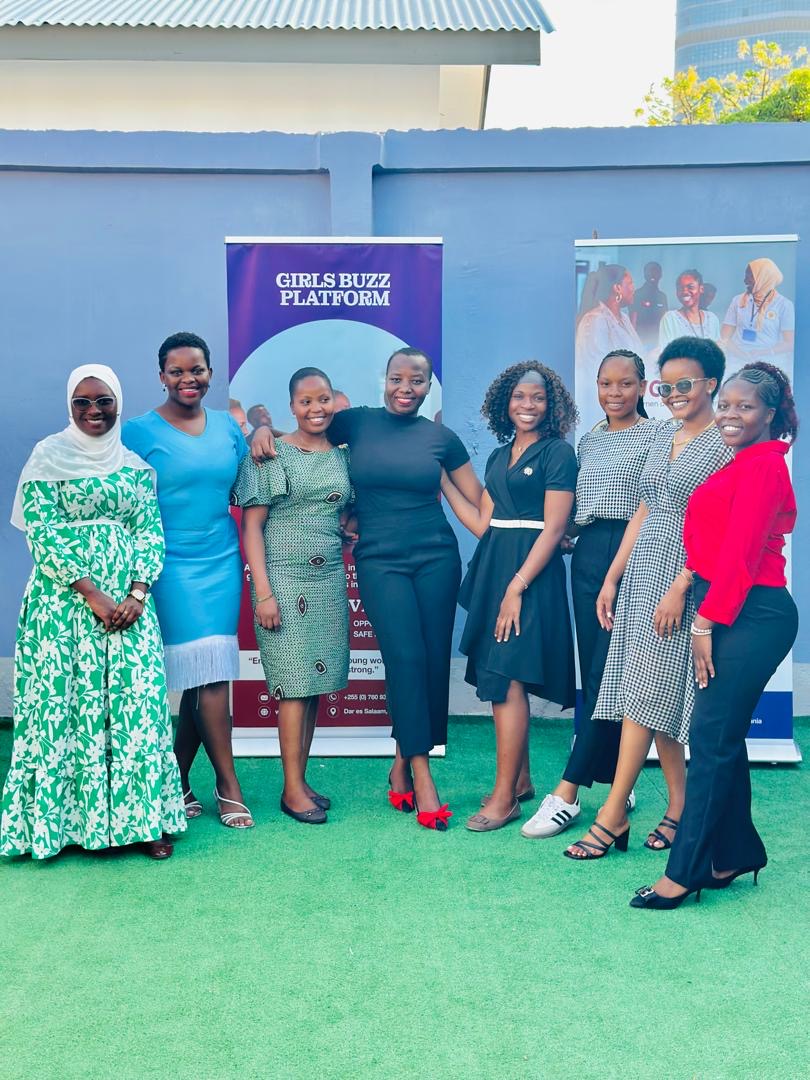
Girls Buzz is Woyomo's flagship initiative designed to respond to this reality by creating safe, supportive, and empowering spaces, both physical and digital, where girls can learn, connect, and lead. The program focuses on amplifying girls' voices, building leadership, and nurturing agency through three core components:
Through Girls Buzz, adolescent girls and young women gain confidence, leadership, and solidarity. They become changemakers challenging harmful norms, influencing their communities, and pursuing education and economic independence.
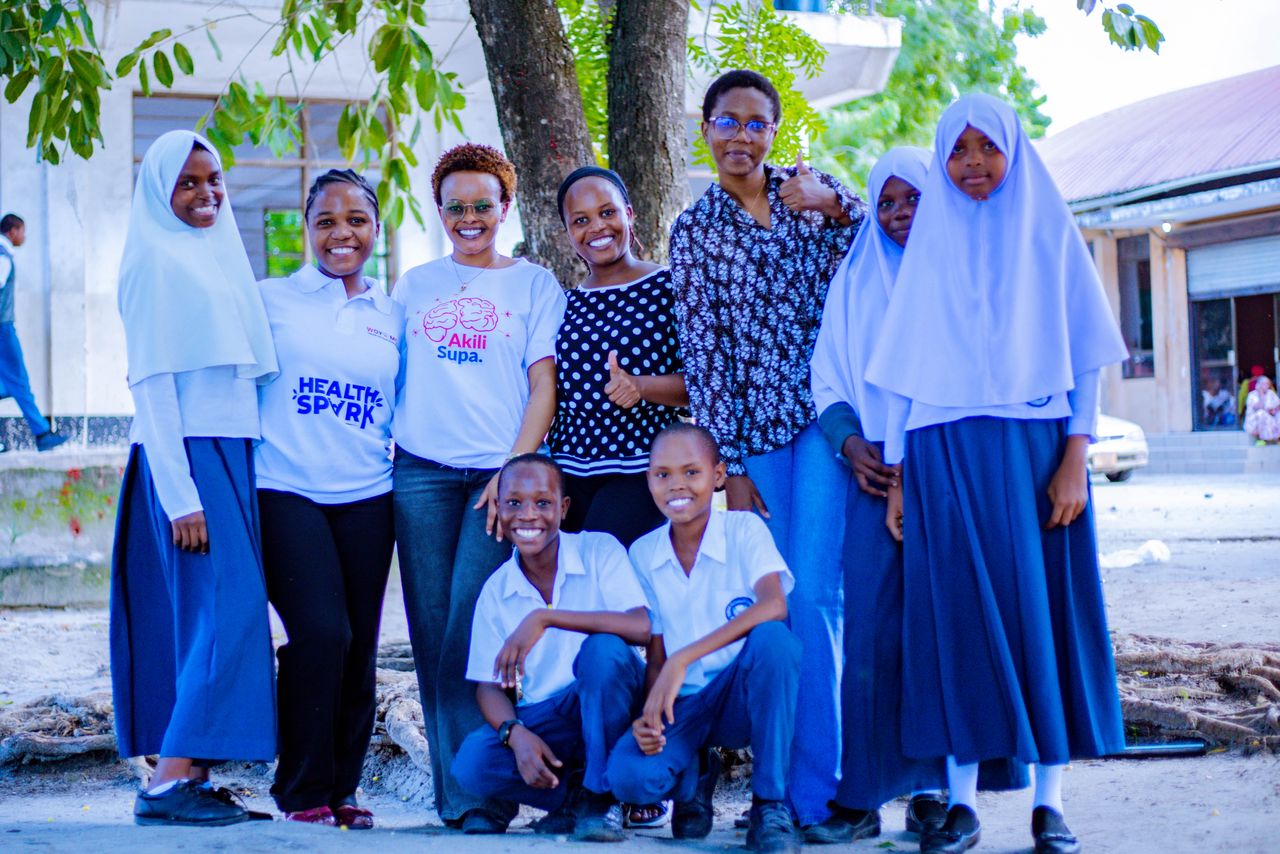
The Health Spark Project is a youth-driven initiative that promotes Sexual and Reproductive Health and Rights (SRHR) and gender equality among adolescents in Tanzania. The project was created to respond to the persistent silence, stigma, and misinformation surrounding puberty, menstruation, consent, and gender-based violence—issues that continue to deny many young people, especially girls, their right to health, education, and dignity.
In Tanzania, the need for comprehensive sexuality education (CSE) is urgent. Studies show that 27% of girls aged 15–19 have begun childbearing, and more than 42,000 schoolgirls dropped out between 2021 and 2022 due to pregnancy. Many adolescents navigate puberty without accurate information or support, leading to early pregnancies, unsafe practices, and discrimination. Menstrual health remains a major barrier—1 in 4 girls miss school each month because they lack sanitary pads, privacy, or understanding from peers and teachers.
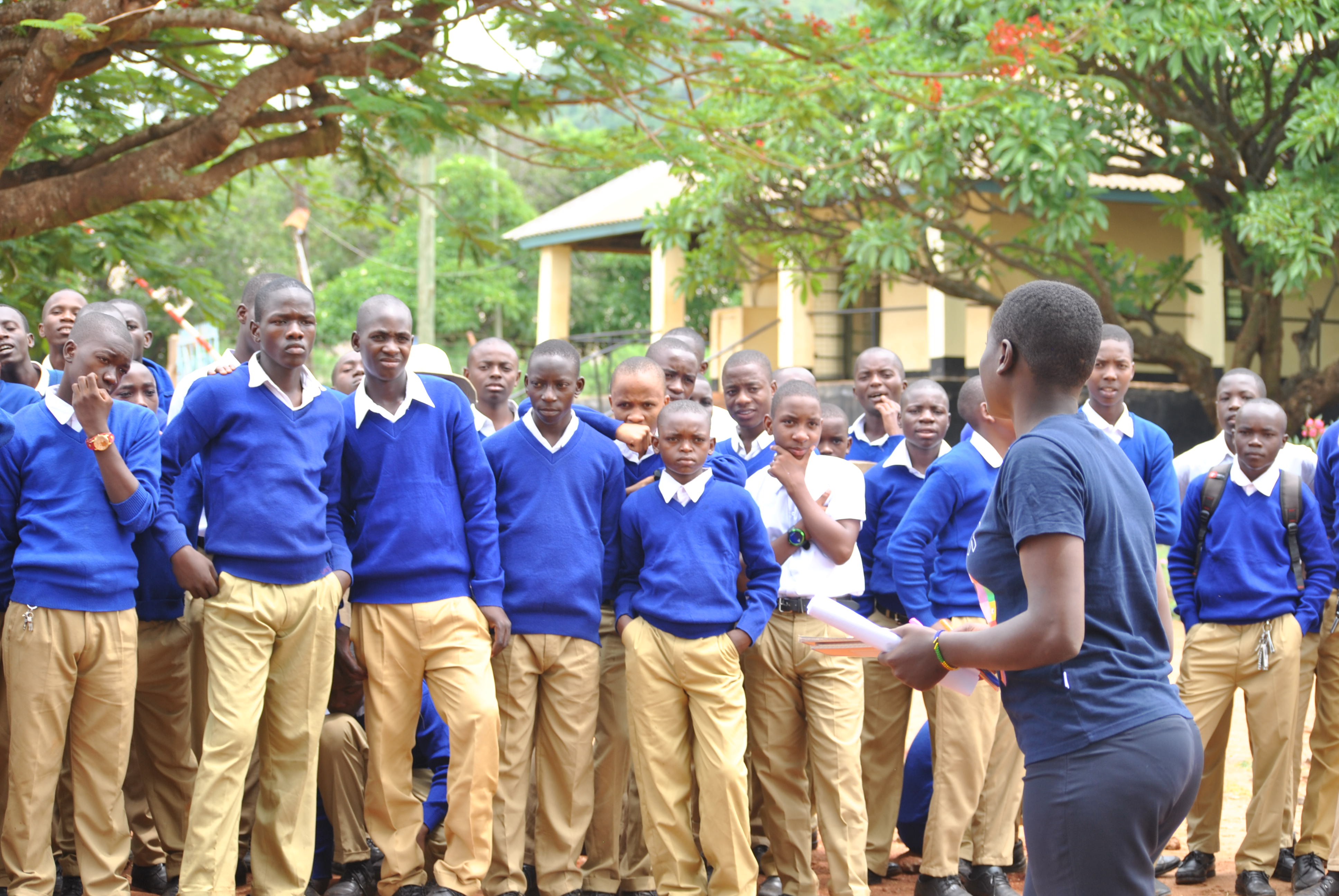
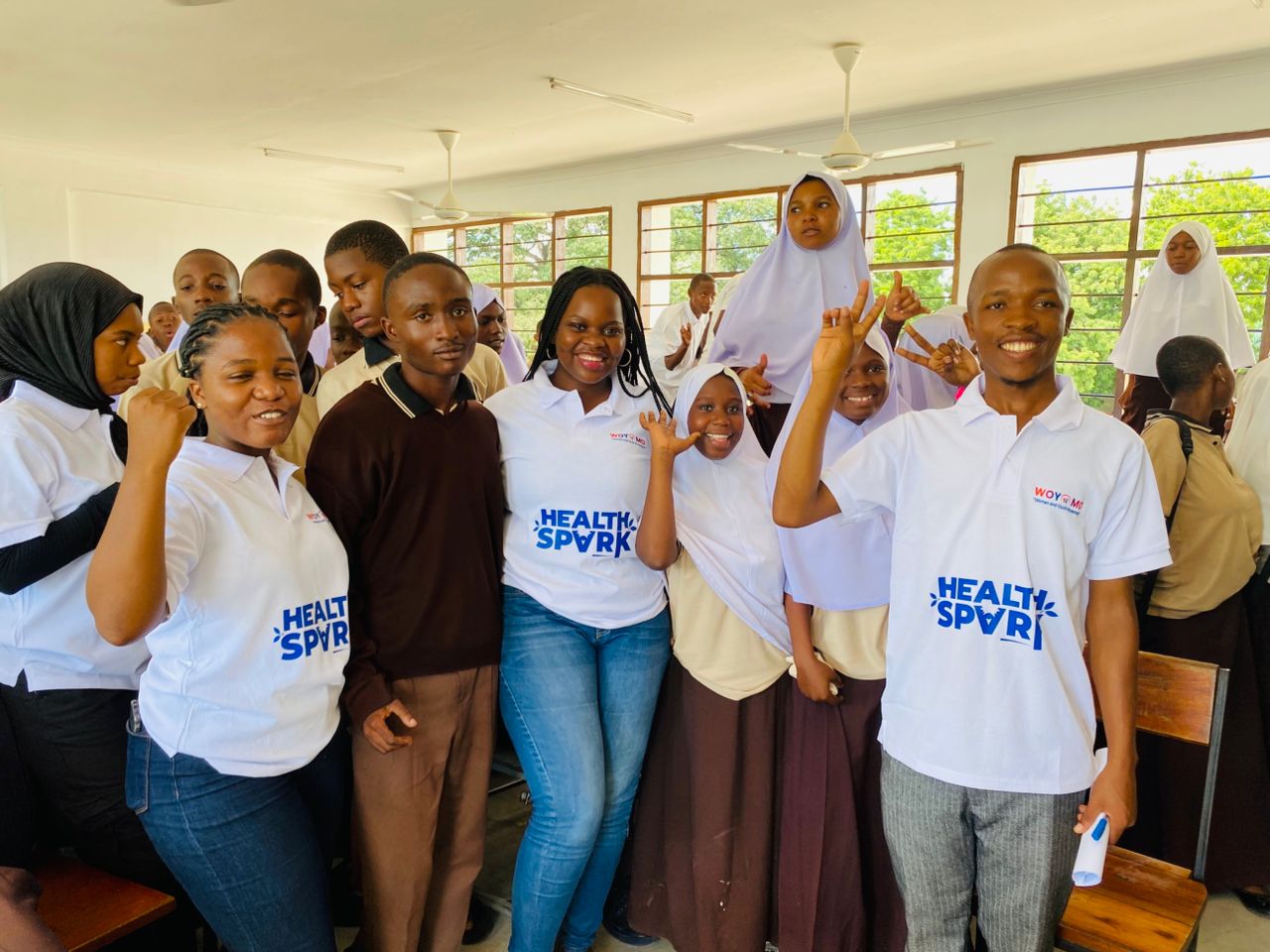
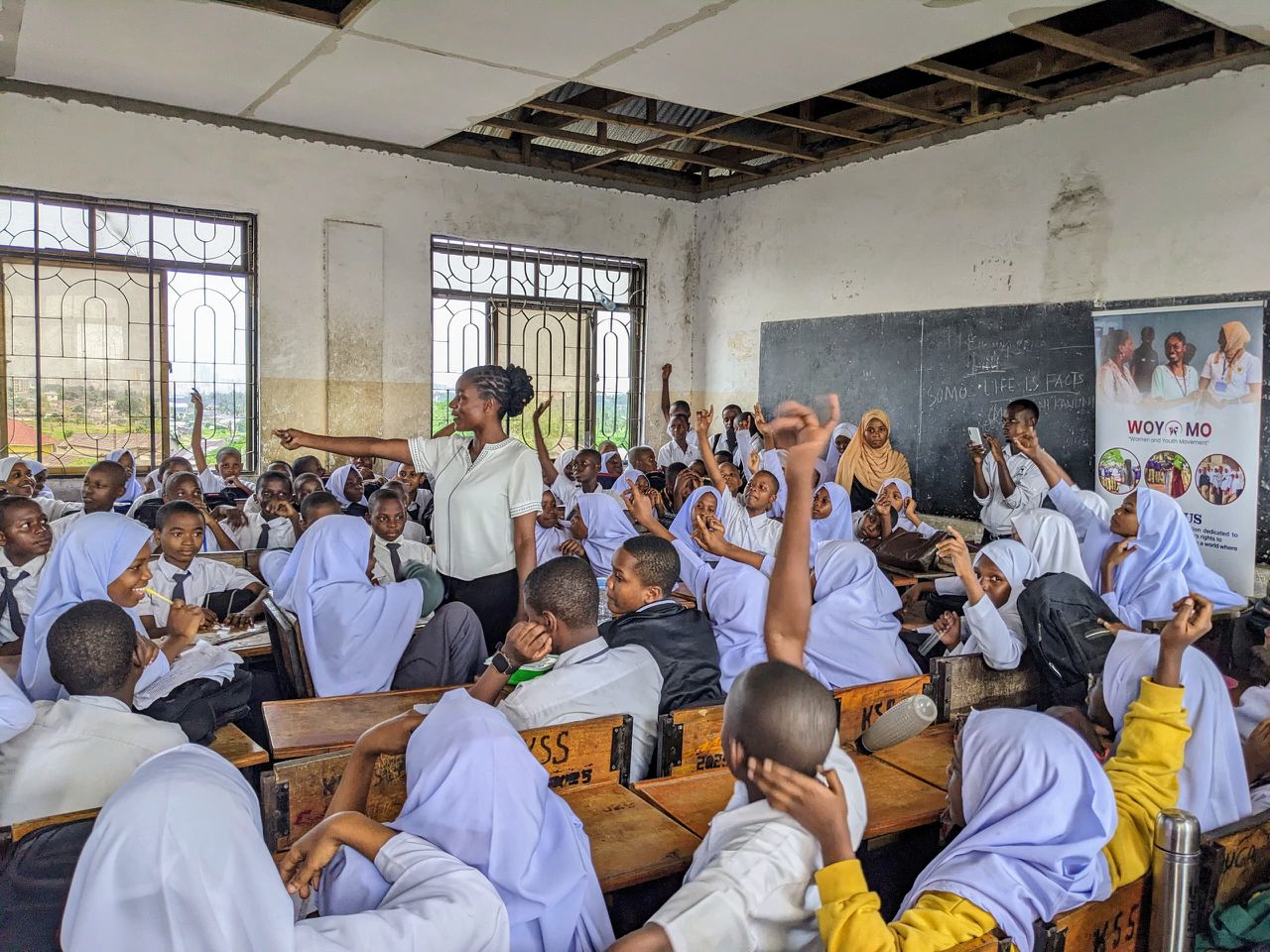
To address these challenges, Health Spark uses a peer-led, school-based approach that centers young people as leaders and educators in their own communities. Through participatory workshops, storytelling, and open dialogue, students learn about menstruation, puberty, consent, and gender equality in a safe and stigma-free environment. The project also uses media advocacy — radio, TV, and social media — to engage parents, teachers, and community leaders, encouraging collective responsibility for youth wellbeing and rights.
Between 2023 and 2025, Health Spark reached nine schools, five in Dar es Salaam and four in Dodoma, training 30 peer educators and empowering over 2,500 students with essential SRHR knowledge. Beyond classrooms, 35,000 community members were reached through media campaigns, fostering wider awareness and dialogue on youth health and gender equality. At its core, Health Spark stands for educational and health justice because when young people are informed, confident, and supported, entire communities transform.
Handmade Hope (Handmade Hope Tanzania) is a mission-driven social enterprise that channels craft and commerce into girls' rights, education, and dignity. Every thoughtfully made bag, basket, or textile supports young women from marginalized rural communities by creating income opportunities and funding programs that remove barriers to schooling, health, and leadership.
In Tanzania, structural inequality, poverty, gender norms, and lack of resources keep many girls out of school or force them to drop out, especially in rural regions like Simiyu. Thousands of girls miss school months at a time due to a lack of menstrual supplies or hygiene facilities; others leave entirely after pregnancy or due to early marriage. These realities reinforce cycles of exclusion unless we disrupt them through intentional strategies that combine economic empowerment with education and rights.
Handmade Hope's approach is grounded in dignity and sustainability: We train girls and young women in artisan skills (weaving, sewing, basketry), using eco-friendly, ethically sourced materials, so they can produce marketable goods. 10% of all sales are allocated to educational, dignity, health, and leadership programs that directly benefit girls, especially those out of school or at risk. We distribute menstrual dignity kits, support out-of-school girls and teenage mothers to re-enter education, and invest in sanitation improvements (toilets, washrooms, privacy) in underserved schools. Community, market, and advocacy activities amplify the impact: customers, communities, and partners become stakeholders in girls' wellbeing.
The Second Chance Project is a transformative initiative dedicated to empowering teenage mothers and girls whose education has been interrupted due to early pregnancy and related social challenges. In many rural communities of Tanzania, including the Simiyu region, girls continue to face systemic barriers that deny them the right to education and limit their future opportunities. Deeply rooted gender norms, poverty, and stigma surrounding early pregnancy often result in teenage mothers being excluded from school and marginalized within their families and communities.
According to the Tanzania Demographic and Health Survey (TDHS 2022), 27% of girls aged 15–19 are either pregnant or have already given birth, with rates even higher in rural areas such as Simiyu, Shinyanga, and Mara. Teenage pregnancy remains one of the leading causes of school dropout among girls, contributing to the cycle of poverty, early marriage, and gender inequality.
Although the government adopted the Re-entry Guideline (2022) to support young mothers' return to school, implementation remains inconsistent due to social stigma, lack of awareness, economic hardship, and limited psychosocial support systems. Many girls are left isolated, depressed, and struggling to navigate motherhood without guidance or financial independence.
Beyond Limits is a feminist advocacy and empowerment project dedicated to supporting rural women, girls, and survivors of sexual and gender-based violence (SGBV) to reclaim their power and live free from violence and discrimination. Rooted in the fight against femicide and systemic abuse, the project creates space for healing, awareness, and resilience-building.
The program focuses on three key areas:
Beyond Limits is not just about recovery — it's about amplifying voices, challenging harmful norms, and strengthening movements. It equips women and girls with tools to organize, lead, and influence policy at both community and national levels.
Your generosity funds safe spaces, education, and economic freedom for girls across Tanzania.
WOYOMO believes that breaking gender inequalities in rural and urban Tanzania requires empowering girls and women through education, technology, safe spaces, and economic opportunities. We work with adolescent girls, teen mothers, survivors of gender-based violence, and women to build their confidence, skills, and financial independence because access to psychosocial support, social learning, and economic empowerment allows them to define their own futures and thrive.
We collaborate with feminist activists, teachers, community leaders, policymakers, and the private sector because shifting harmful norms and strengthening policies demands collective action. By combining education advocacy, survivor support, social enterprise, and policy influence, WOYOMO seeks to create communities that rise against injustice, ensure women and girls know their rights, achieve financial freedom, and live in a world where they are free from violence and have equal opportunities to reach their full potential.
Adolescent girls, teen mothers, GBV survivors, and women — especially in rural and marginalized communities — who need confidence, skills, and financial independence to define their own futures.
Education advocacy, survivor support, social enterprise, and policy influence — all working together to build communities that rise against injustice and ensure women and girls know their rights.
Feminist activists, teachers, community leaders, policymakers, and the private sector — because shifting harmful norms and strengthening policies demands collective action beyond any single organization.
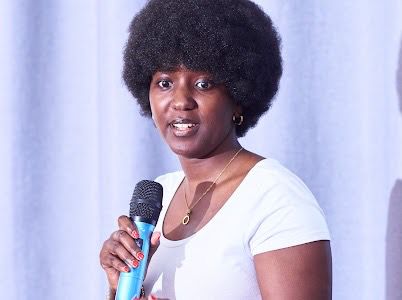
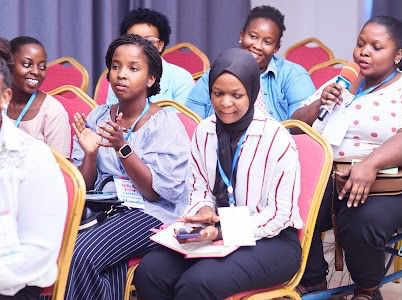
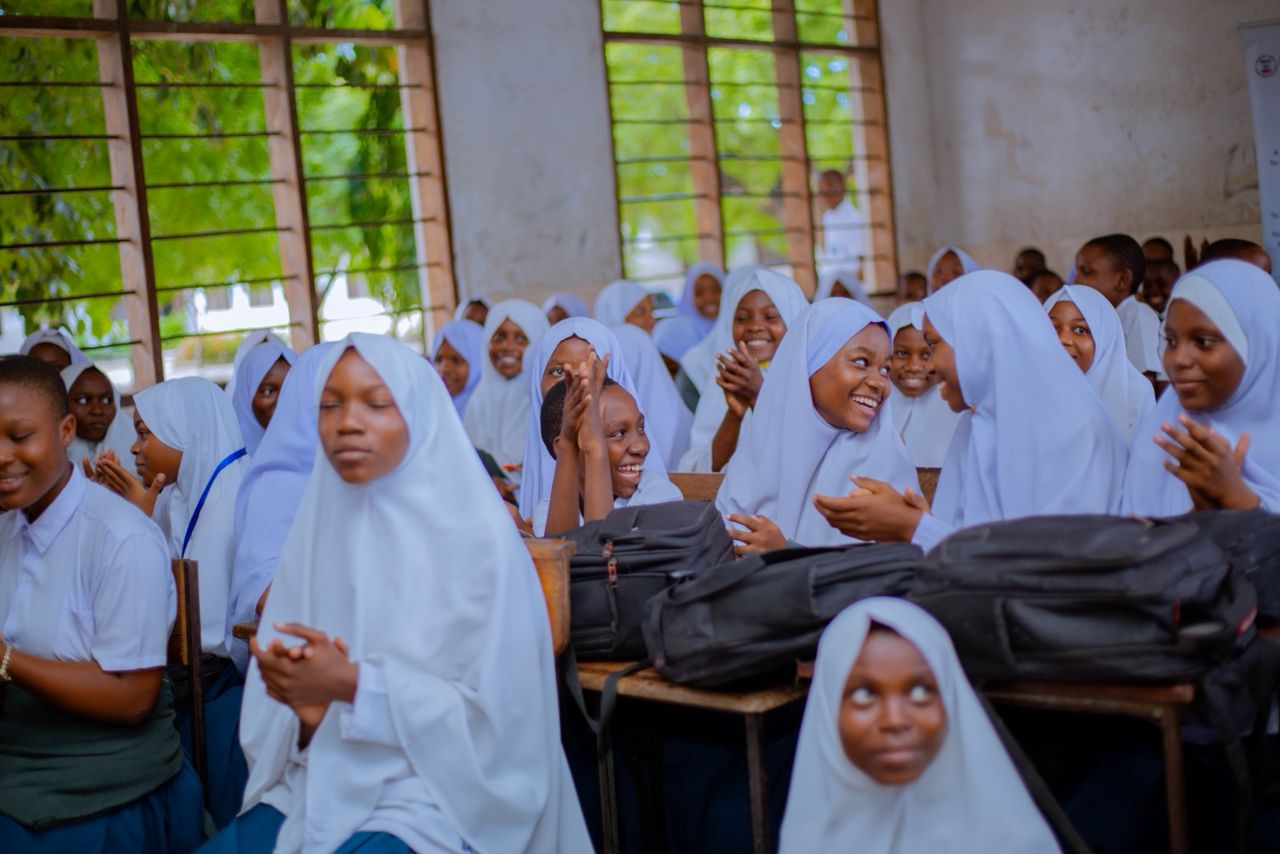
Safe spaces where adolescent girls find their voice and build solidarity
Families and leaders joining the movement for gender equality
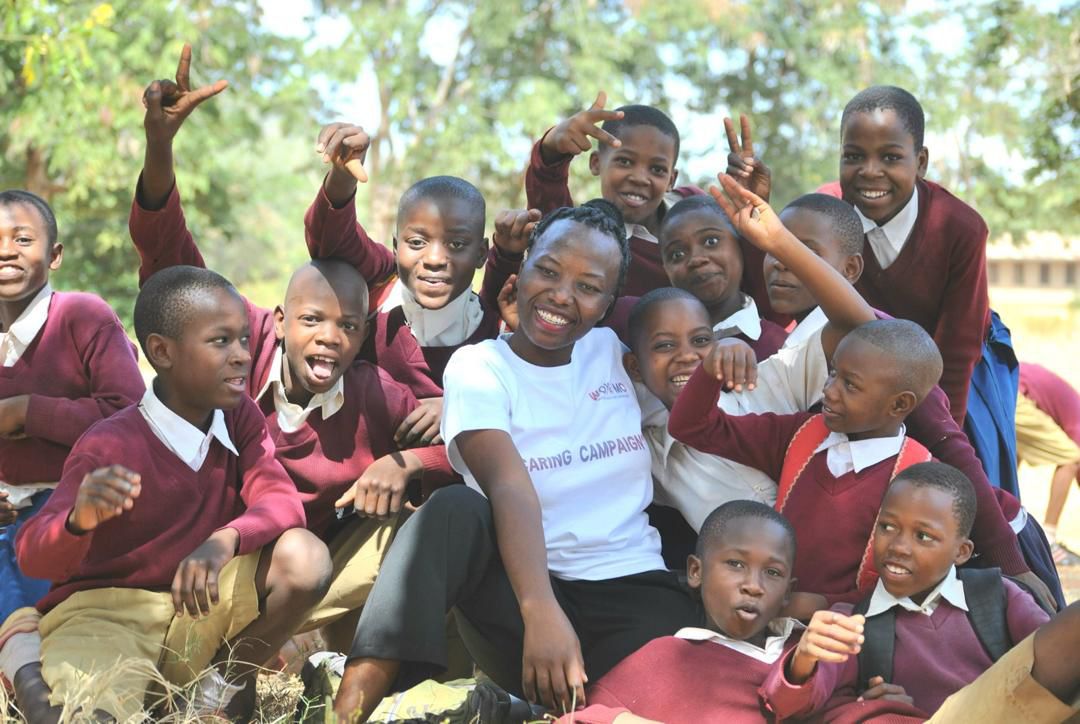
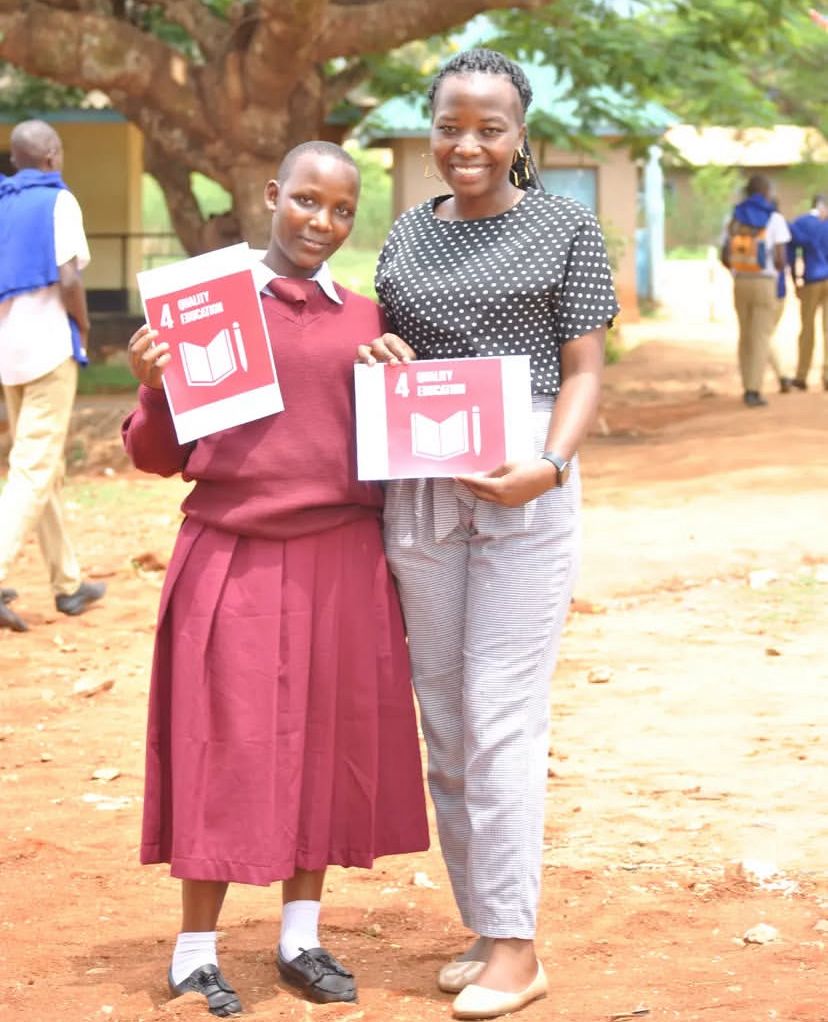
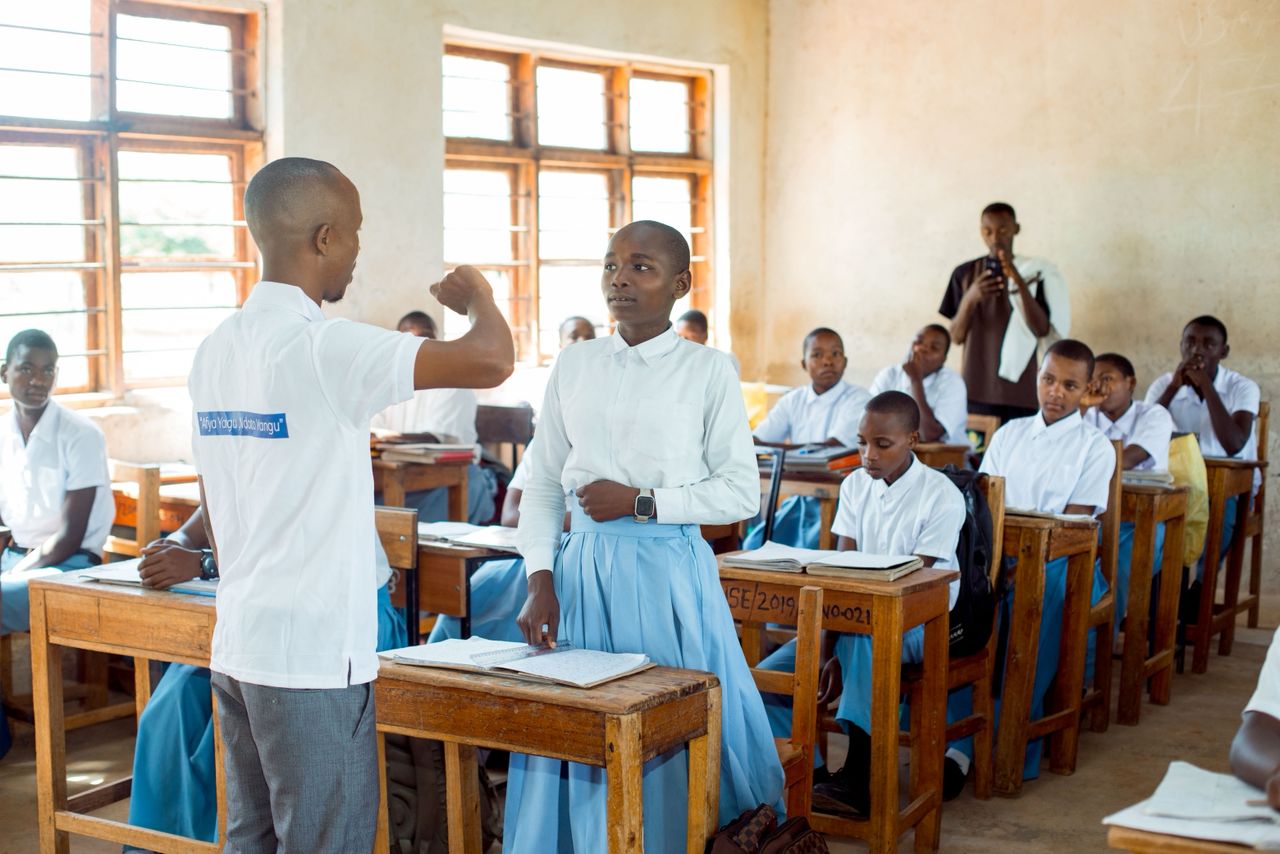
Five schools in Dar es Salaam and four in Dodoma have been part of Health Spark's comprehensive SRHR education programme, transforming how students learn about their bodies, rights, and dignity.
Through radio, TV, and social media campaigns, WOYOMO has sparked wider community conversations around youth health, gender equality, and the rights of girls and women across Tanzania.
Girls Buzz has trained young women in leadership, advocacy, and feminism — building a movement of girls who not only imagine a more just Tanzania but actively lead the way in creating it.
Your support funds safe spaces, education programs, and economic opportunity for girls across Tanzania. Every contribution changes a life.